
Halfway, Hagerstown
Garage Door Repair for Halfway, MD Homes
Halfway homes mostly date to 1969, a decade before much of the wider Hagerstown stock went up. That gap changes what's actually failing on your door.
Getting It Booked In
We run out of Hagerstown, about 3 miles up the road, so getting to a Halfway job isn't a long haul for us. When you call, tell us the door's width, whether it's one panel or sectional, and roughly how old the house is. Halfway's housing stock centers on 1969, which is noticeably older than the median across the wider service area (median year built 1985 per F1). That one detail changes what we load on the truck before we even see the door. A door installed when the house was built is closer to end of life than a door in a 1990s build three miles away, and we'd rather know that before we're standing in your driveway.
The Complications
A door built around 1969 usually means a single steel skin, no insulation layer, and hardware sized for the lighter doors of that era.
Unstocked extension spring sets
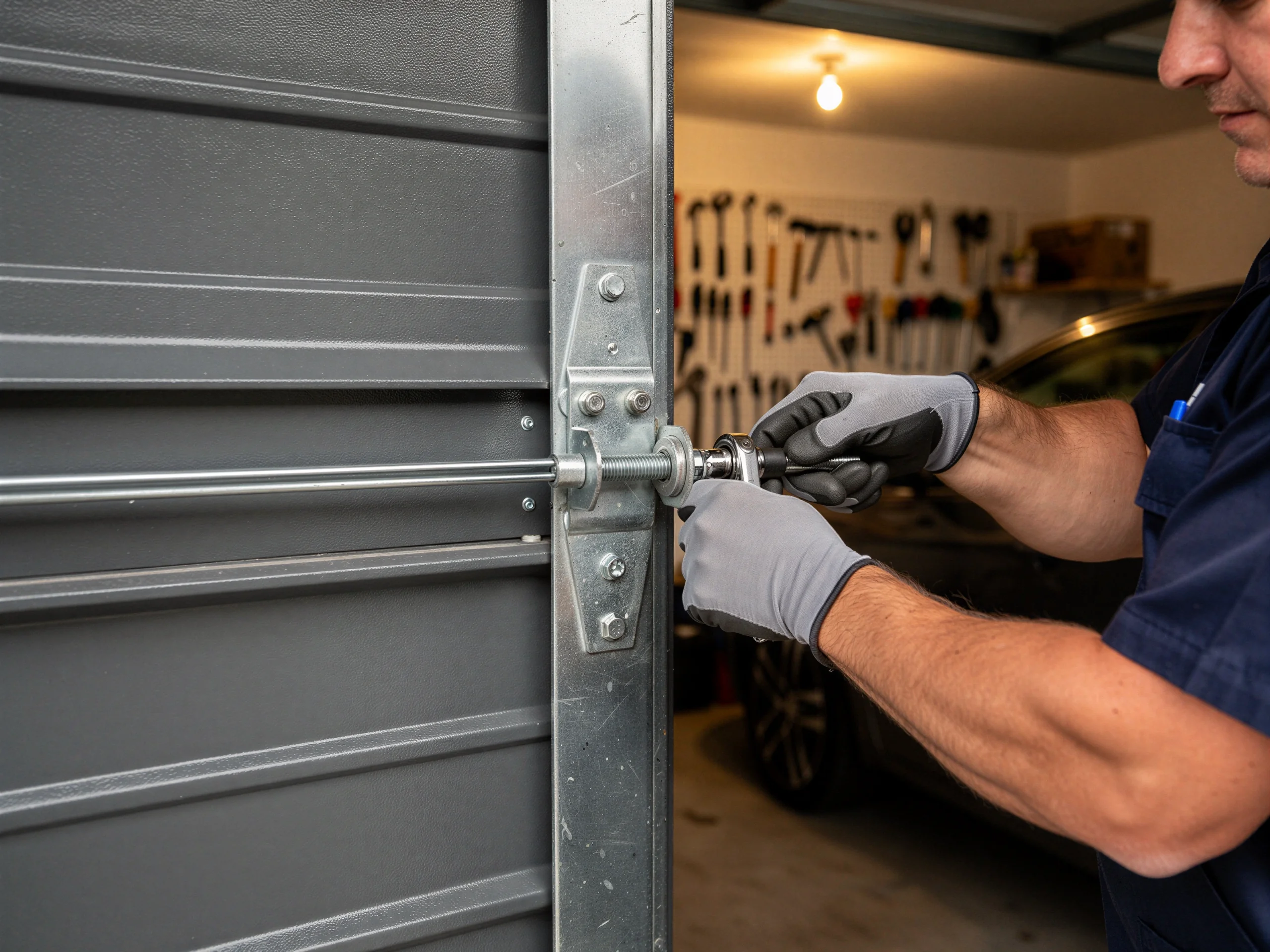
Extension springs mounted along the horizontal tracks are common on these, not the torsion setups you'd find on later builds. That's a complication on its own: parts suppliers don't stock replacement extension-spring sets the way they stock torsion springs, so sourcing can add a day to a repair that would otherwise be same-visit.
Joist-bolted brackets, reinforced header
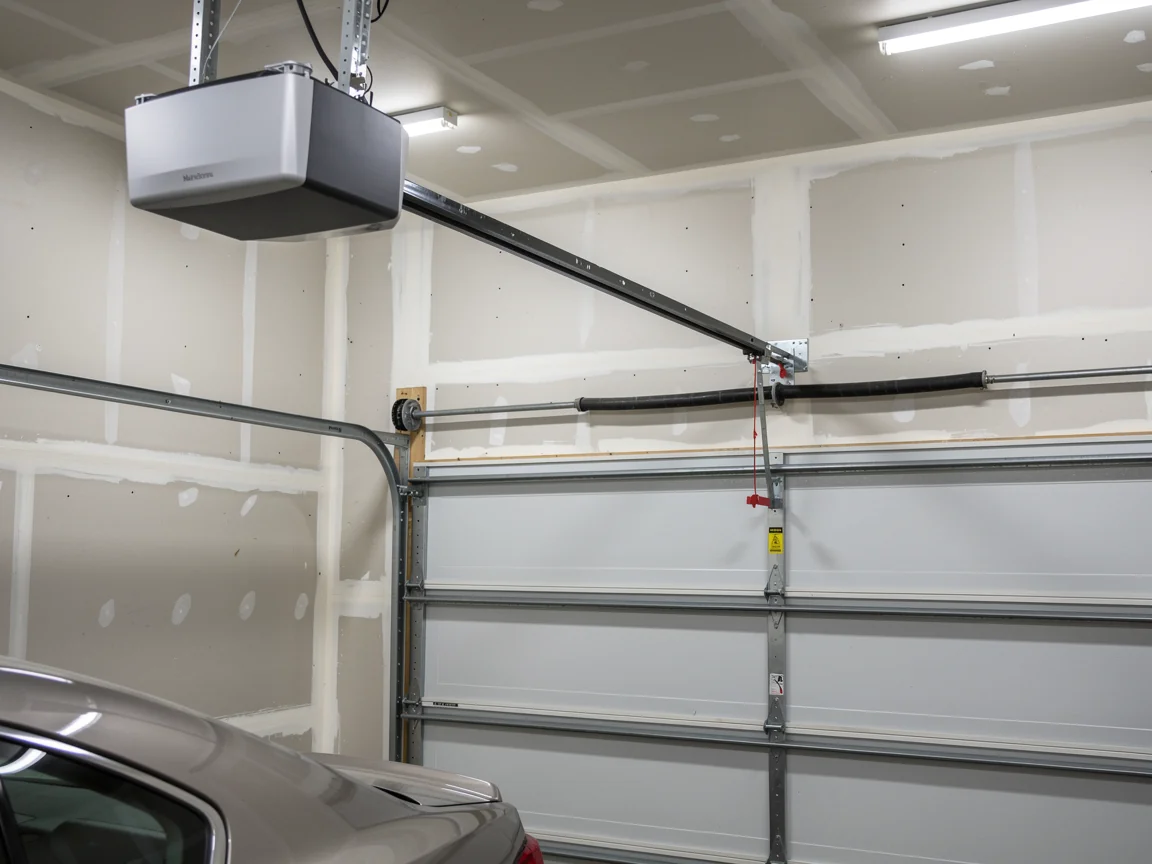
We also run into non-standard opener brackets bolted straight to joists that were never meant to carry a modern opener's weight, which means we're sometimes reinforcing the header before we can even mount new equipment.
What Causes It Around Here
This area sits in a cold, severe climate band, and a door built in 1969 was never engineered with that in mind the way current code requires. Over fifty winters of freeze-thaw cycling on steel that's already thinner-gauge than what's sold today works the panel seams loose and pits the roller tracks with rust. Extension springs on these older doors also fatigue faster than torsion springs do, and once one side goes, the door racks sideways in the track - that's the uneven, grinding stop homeowners usually call us about. Houses this age also tend to have single garages rather than the wider two-car doors common in later subdivisions, so a stuck or racked door here is more often the only vehicle bay in the house, not a second one.
The Symptom
On a 1969-era door, the tell is almost always the same: the door starts up fine, rises a foot or two, then stalls or reverses, usually with a loud bang from one side.
Opener lifting full weight
That's a broken extension spring letting the opener try to lift the whole weight alone, and it strains the motor every time someone tries the button again. Sometimes it shows up instead as the door sitting crooked when closed, dropping lower on one side than the other - same root cause, caught earlier.
Bent tracks from stalls
Either way, don't keep running the opener through it. On doors this old, a stalled lift one afternoon turns into a bent track or a cracked panel by the weekend if the opener keeps forcing against a broken spring.
What It Costs
We can't quote a number without seeing the door - extension spring sets, track alignment, and reinforcing an old header all price differently, and we're not going to guess at a figure here that doesn't hold up on the actual job. What we can tell you: median household income in Halfway runs around $69,600, noticeably below the roughly $89,228 median across the wider 24,611-household service area, and we take that into account when we talk through repair-versus-replace. On a door this age, patching one failed extension spring is usually the cheaper call than replacing the whole unit, as long as the track and panels are still straight. Once the steel itself is rusted through, no repair makes that math work anymore.
Questions
Common questions
Is my Halfway garage door too old to repair?
Not necessarily. A 1969-era door with a broken spring or loose track is usually a straightforward repair as long as the panels and track are still straight. It's the rusted-through steel or badly bent track that tips the decision toward replacement instead.
Why does my door only have extension springs, not torsion?
Houses built around 1969, which describes most of Halfway, were commonly fitted with extension springs along the horizontal tracks rather than the torsion-spring setups used on later builds. Both work the same job, but parts and labor differ between the two.
How far is Halfway from your base in Hagerstown?
About 3 miles. We don't keep a separate branch or depot in Halfway - every job here is covered from our Hagerstown location.
Do you carry parts for older doors like mine?
We stock common torsion hardware, but extension-spring sets for older single-skin steel doors sometimes need to be sourced, which can add a day to the job. We'll tell you up front if that's the case before we start.
Explore more
More Services in Halfway
Emergency Garage Door
Halfway, MD has about 4,451 households and a 3-mile run from our Hagerstown shop. Learn more →
Garage Door Service
Most Halfway, MD homes date to 1969, with springs and openers near the end of their life. Learn more →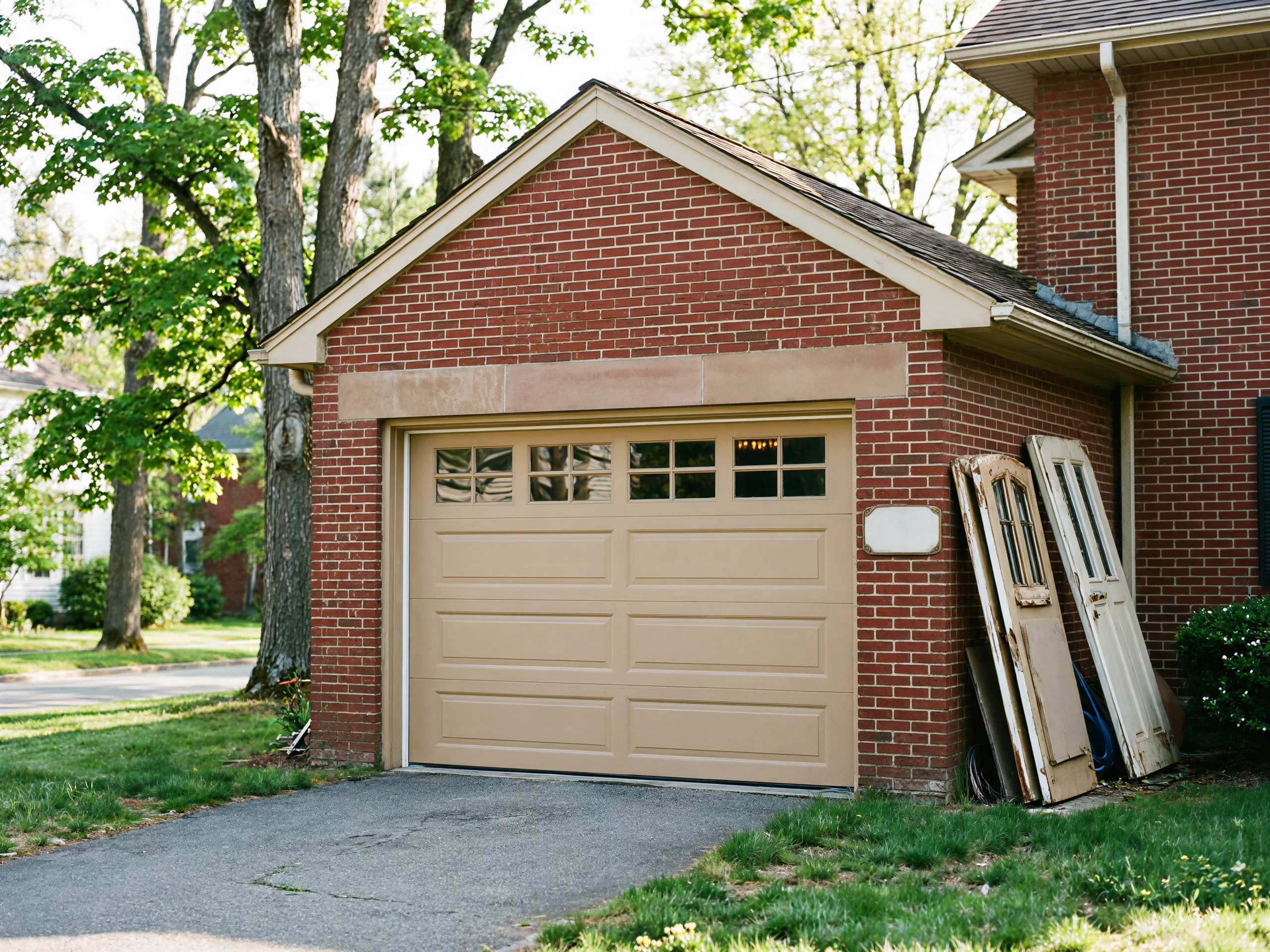
New Door Installation
Halfway homes mostly date to the late 1960s, three miles from our Hagerstown shop. Learn more →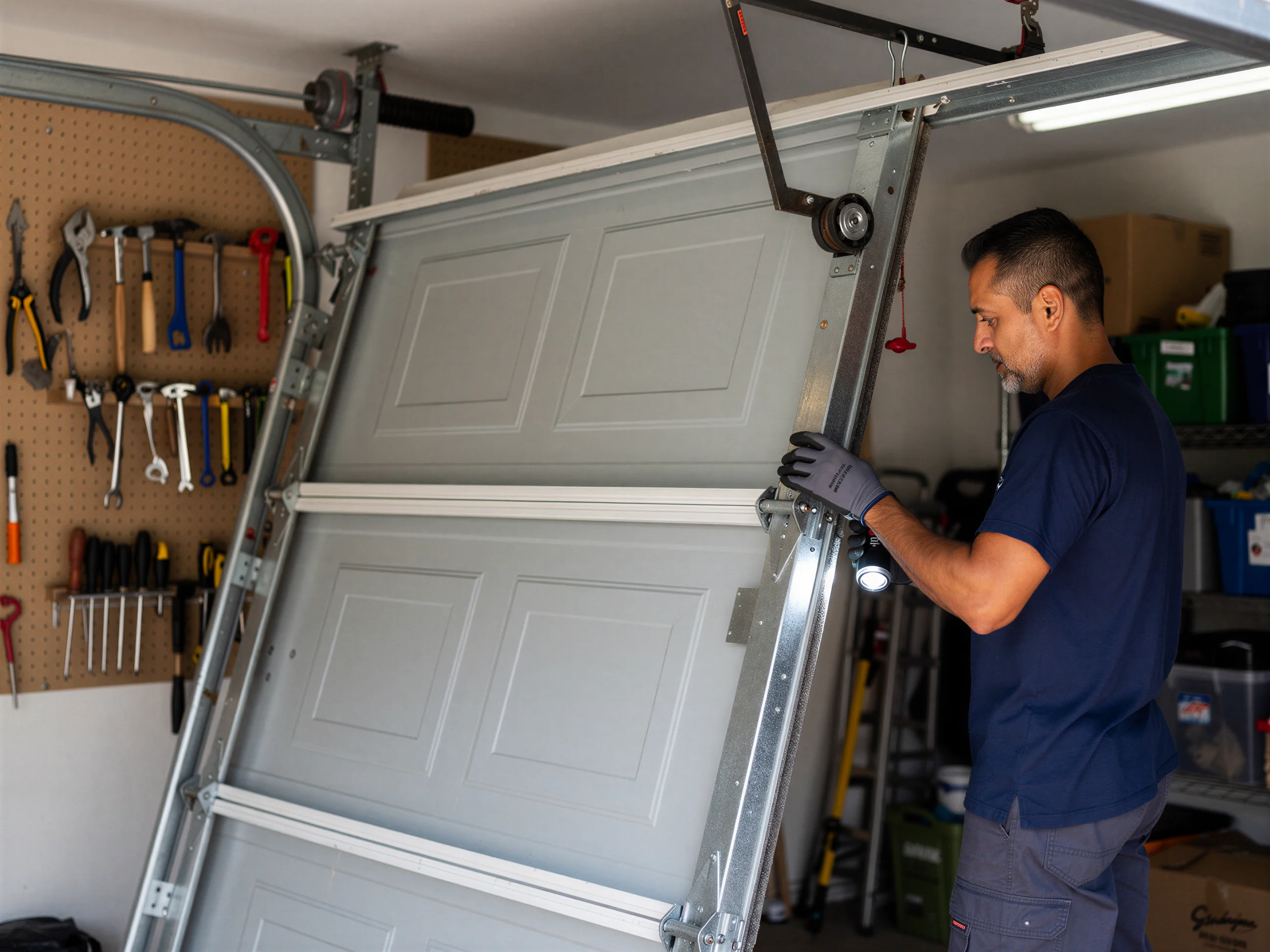
Off Track Repair
Halfway's 1969-median housing and $69,600 median income change the repair-or-replace math on an off-track door. Learn more →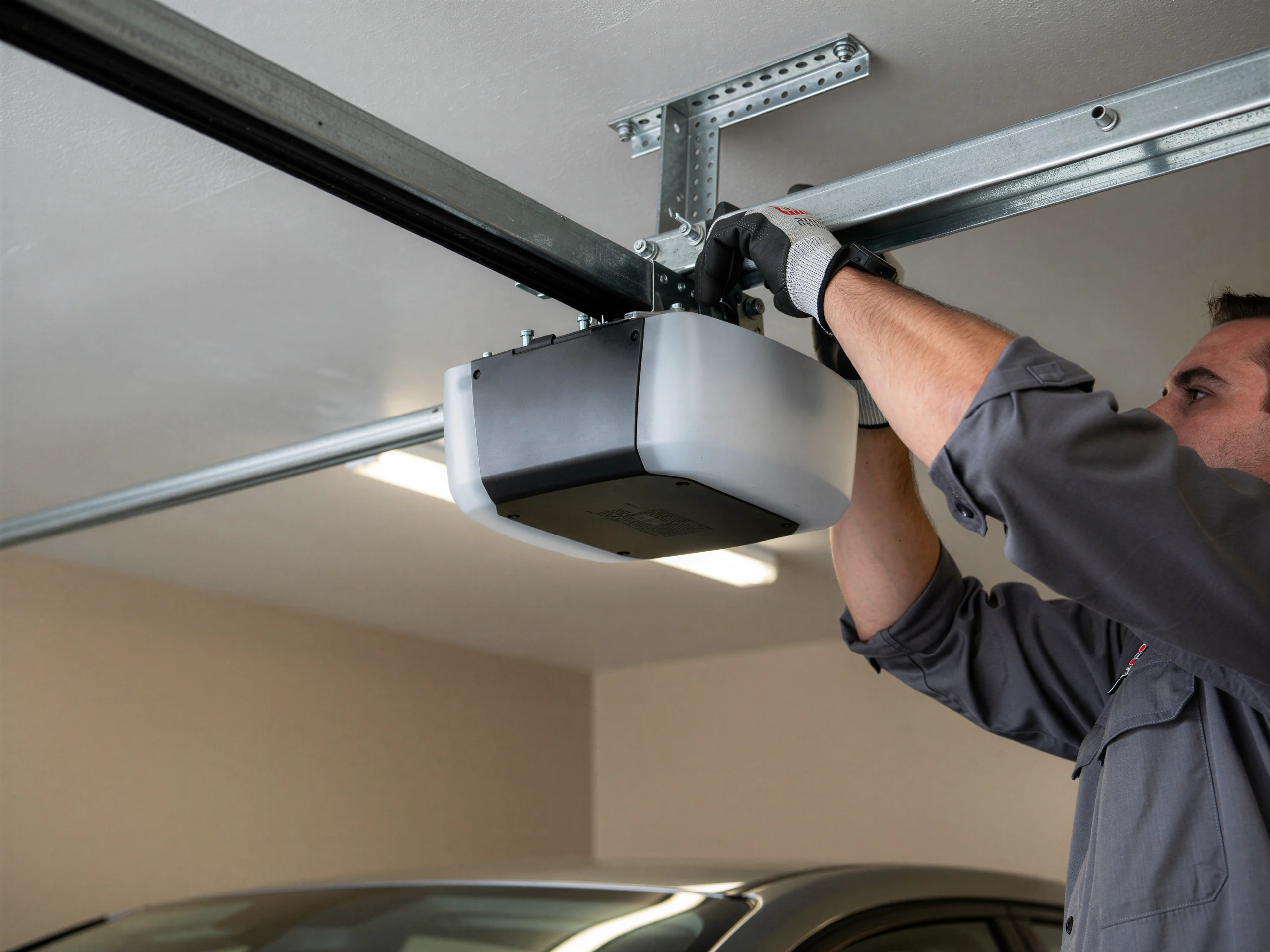
Opener Installation
Halfway homes mostly date to the late 1960s, a decade before most of Hagerstown's stock - that gap changes bracket height, wiring, and what opener fits your door. Learn more →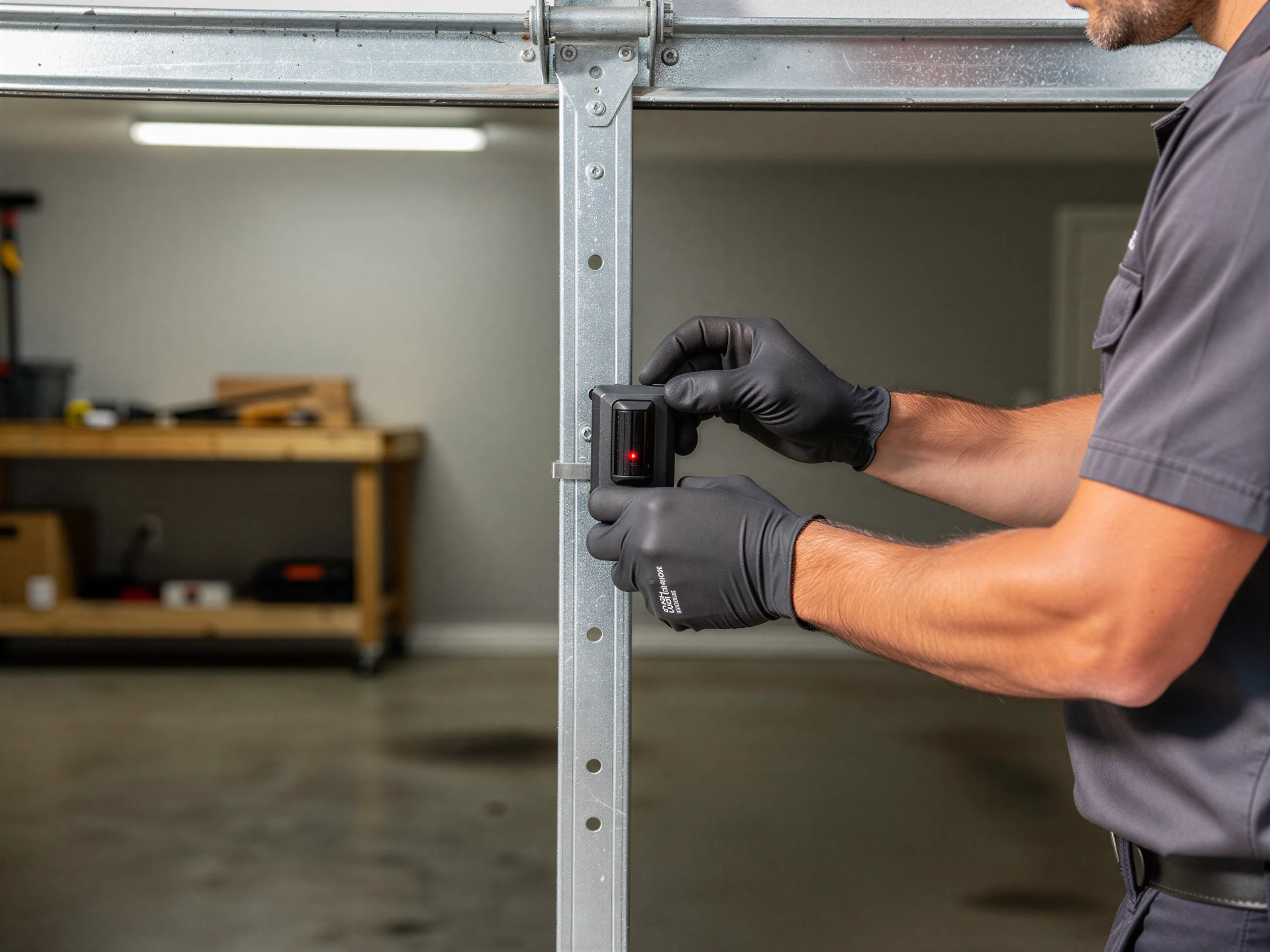
Opener Repair
Opener repairs in Halfway, MD, where most homes date to 1969 and winters run hard on cold-stiffened drive gears. Learn more →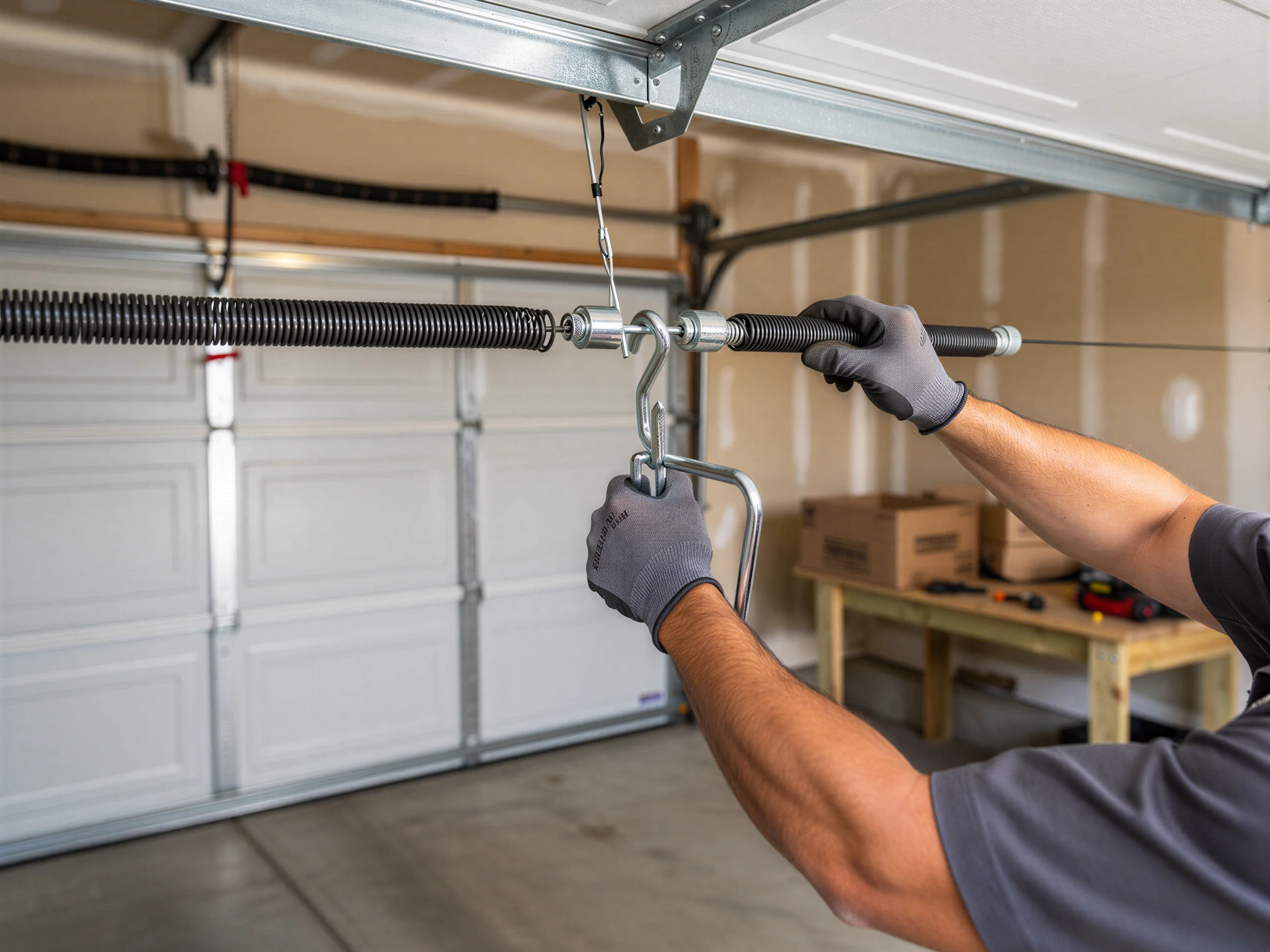
Spring Repair
Halfway homes mostly went up around 1969, which means a lot of original torsion hardware still hanging on. Learn more →Ready when you are
Need a garage door sorted in Hagerstown?
Hagerstown Garage Door Pros repairs and installs garage doors, springs and openers in Hagerstown, MD and the surrounding area.