What the Weather Here Does to It
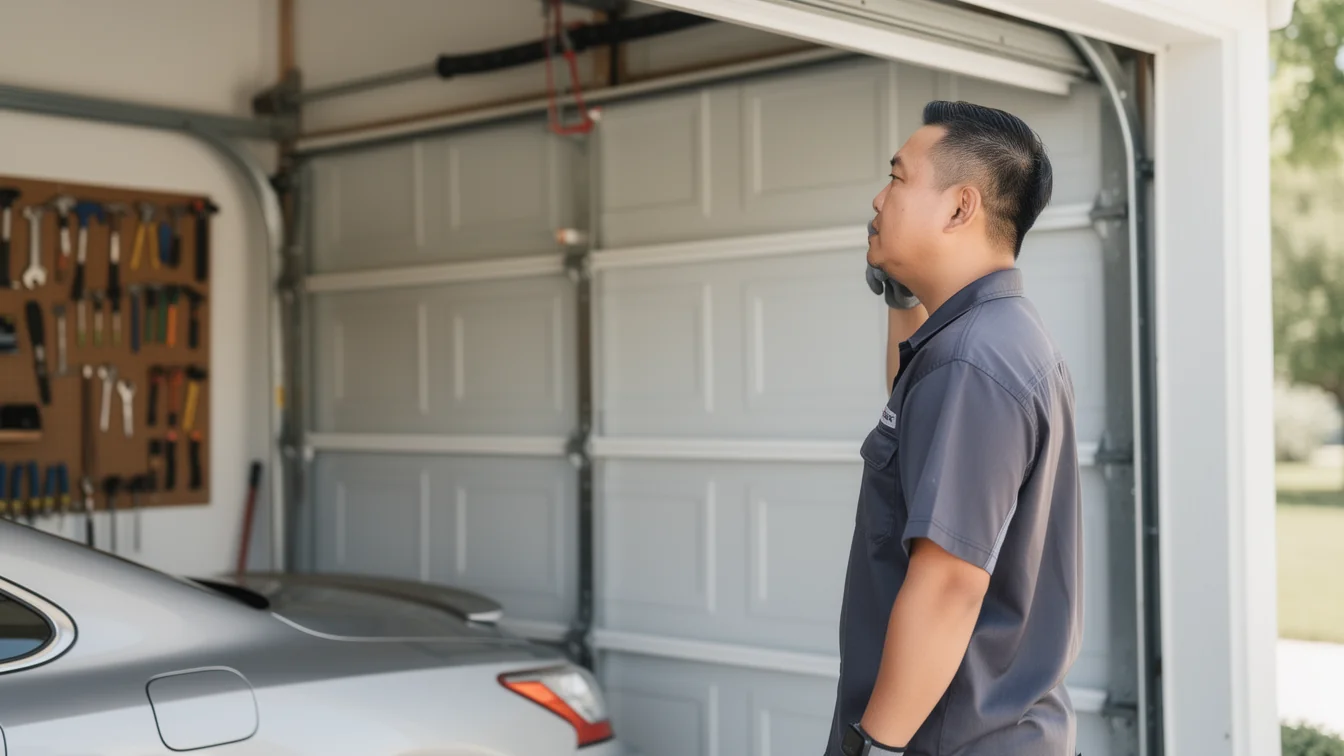
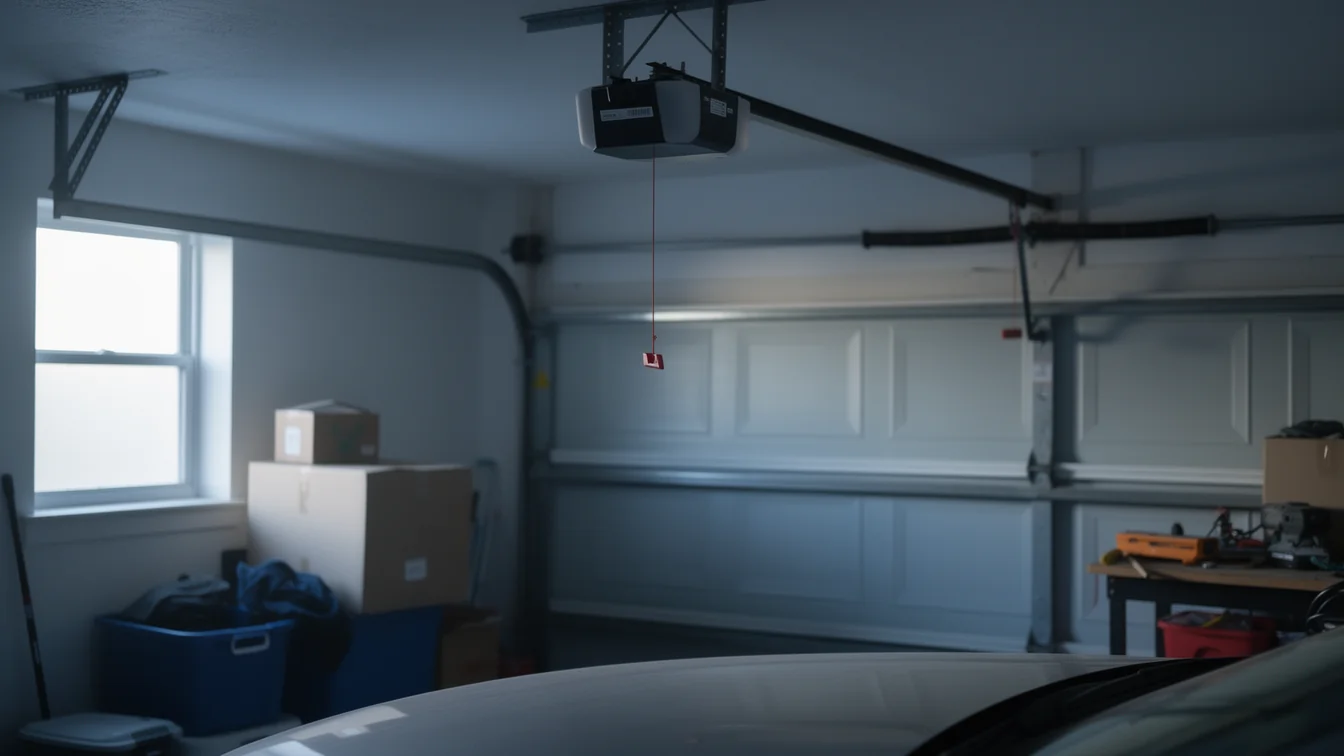
Most of the houses in this service area went up between 1949 and 1998, with the median build year sitting around 1985. That matters because this area sits in a cold-climate band with severe winter stress, the kind that turns a thirty-year-old torsion spring brittle and cold-shrinks steel tracks out of alignment. A door that worked fine in October starts binding in January because the grease in the rollers thickens and the spring, already fatigued from decades of cycles, loses tension faster in the cold than it would in a mild climate. Steel panels contract too, just enough that a door hung true in summer rubs the weatherstrip or catches a track bracket once temperatures drop hard. None of this shows up overnight. It shows up as a door that gets a little louder, a little stiffer, a little slower to close, over a few winters, until one cold morning the spring finally lets go. Houses from the 1980s and 90s wave that makes up most of this stock are right in that window now - old enough for the original spring to be near the end of its cycle life, and cold enough most winters that the failure usually happens on the coldest morning, not the warmest afternoon.
The Situation
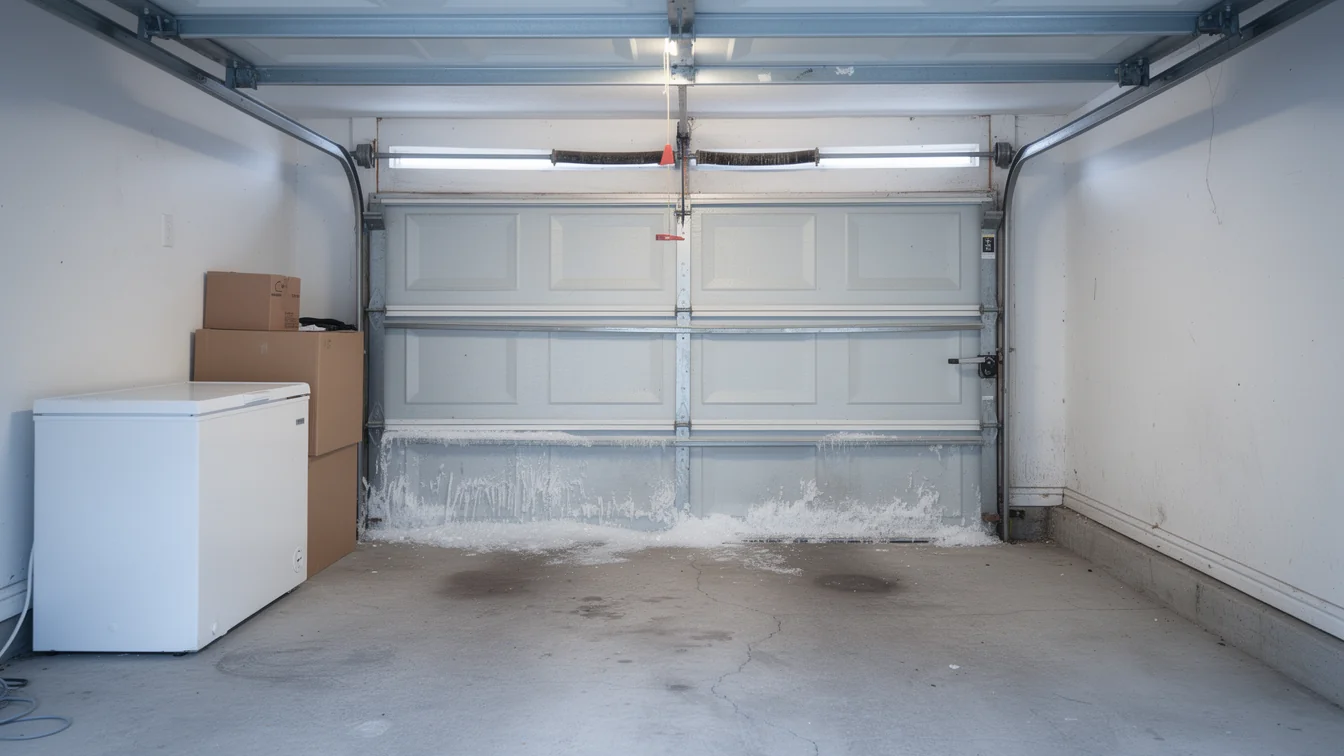
Across the 24,611 households in this service area, 12,991 are owner-occupied houses - most of them with a garage door that's never been touched since the original builder hung it. That's not a guess about any one house; it's just what the numbers say about how much of this stock is original equipment. Within three miles you've got Halfway, Paramount-Long Meadow, and Fountainhead-Orchard Hills, all built out in that same 1980s-90s wave, which means the same spring and hardware problems show up on a predictable schedule across that whole stretch. Go a little further and Funkstown, Robinwood, Maugansville, and St. James sit in the same general build era, so a torsion spring job on one street tends to mean the same job is coming to the next one over, just a year or two later. We don't treat every call the same because of that pattern - a door built in 1950 and a door built in 1995 fail for different reasons even if both are original - but the overall picture of this area is older hardware, cold winters, and owners who mostly haven't had to think about the garage door since they moved in.
Leaving It Alone
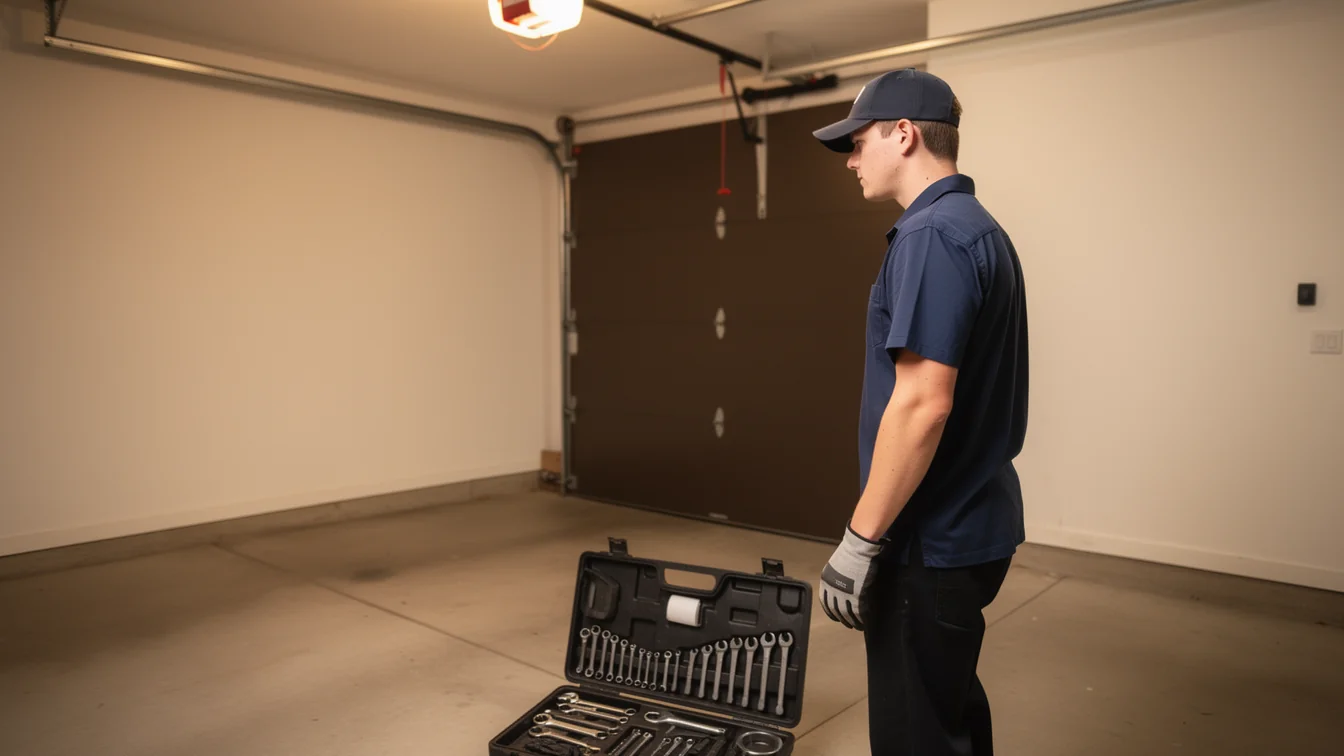
A spring that's losing tension doesn't usually announce itself with a loud bang. It gets quieter about it - the door takes a half-second longer to open, the opener strains a little more, and the cable starts carrying weight the spring used to carry. In a cold climate, that slow decline speeds up, because the cold makes the metal more brittle right when the spring is already weak. Left alone, a torsion spring on a double door built in the 1980s or 90s era that's common here will eventually snap, usually under load, usually in the cold. That's a cable or track repair at minimum, sometimes a bent panel if the door was partway down when it let go. We'll say plainly what we won't do: we don't recommend patching a 35-40 year old spring system with a single new spring if the other one is the same age and clearly near the end too - it's false economy, and it just means a second service call a season later. Past a certain point, replacing the whole spring assembly costs about the same as trying to fix half of it, and it's the honest answer even though it's not the cheaper-sounding one.
What Most People Get Wrong
With a median household income of $89,228 in this area, most owners can afford to replace a spring before it snaps a cable, but plenty wait anyway, usually because the door still opens and closing it slower just becomes normal. The mistake isn't ignorance of cost. It's assuming a door that still works doesn't need attention, when the real question for a door built in the 1949-1998 window is how many open-close cycles are left in that original spring, not whether it currently functions. The other thing people get wrong is blaming the opener for a problem that's really the spring - a motor straining to lift a door with a weak spring looks like a failing opener, and replacing the opener doesn't fix it. Cold makes this worse, not better: a spring that's marginal in September can fail outright on the first hard freeze, because the same tension loss that happens slowly over years happens faster for a few weeks when the metal contracts. If your door has gotten noticeably slower or louder going into winter, that's the signal to check the spring, not the opener.
Talk to a local pro
Garage door trouble in Hagerstown?
Same-day service with honest, upfront quotes.