What the Weather Here Does to It
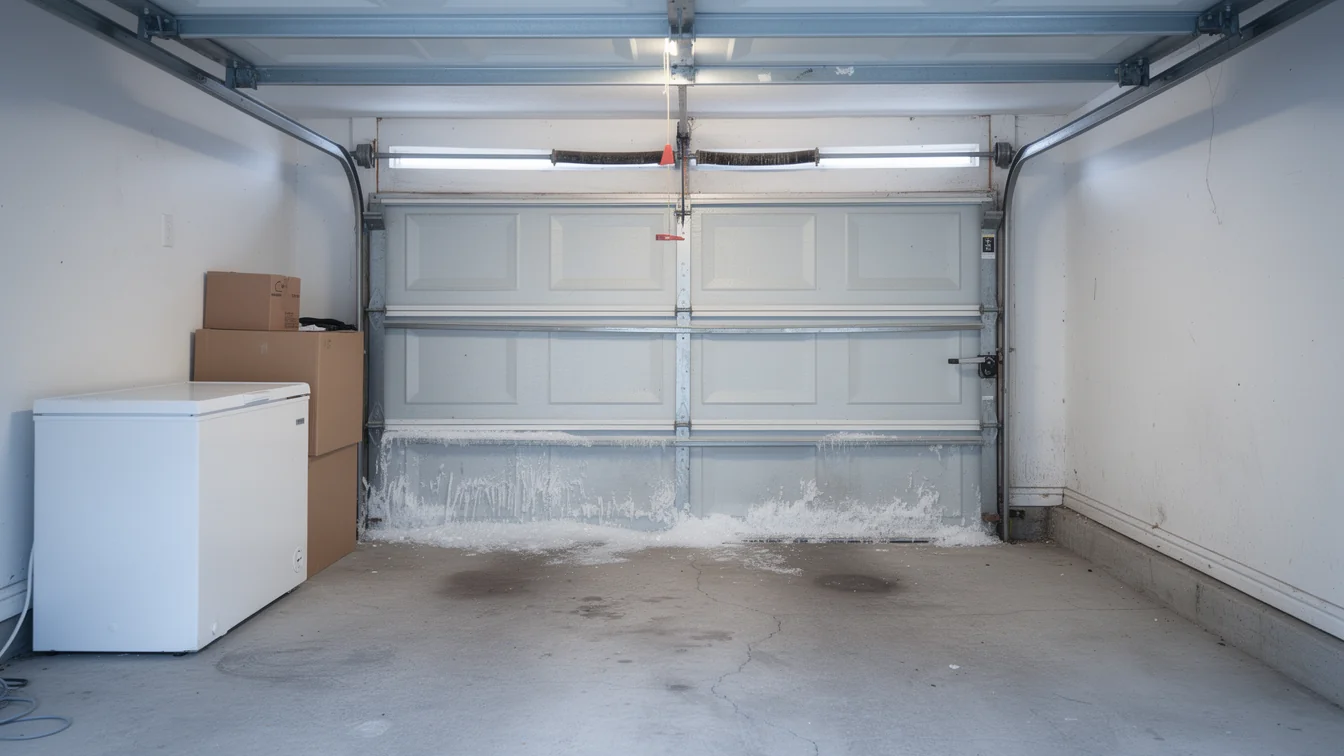
Hagerstown sits in a cold-climate band with severe winters, and that matters more for a garage door than most homeowners think. Steel panels contract when the temperature drops, and a torsion spring that's already near the end of its cycle count will often fail on the first hard cold snap of the year, not during a mild stretch. Houses in this area went up mostly between 1949 and 1998, with the median build year around 1985, so a lot of the doors and openers on the road are old enough that their springs have seen three or four decades of temperature swings. Nylon rollers crack in the cold and start sounding like a cart with a bad wheel. Lift cables that have rusted a little over the years pull tighter in freezing weather and can fray right where they wrap the drum. None of this is dramatic until the morning it is - a spring that's been creaking under tension for months can let go on a 10-degree morning when you're already late. The cold doesn't cause the wear. It just picks the day the wear finally wins.
The Situation
Across the Hagerstown area, housing stock mostly dates from the 1980s and 90s, with a wider spread from 1949 up through 1998. That means the garage door hardware out there isn't uniform - a house in Robinwood or Halfway might still have its original 1985-era extension springs, while a newer build out past Paramount-Long Meadow could have a torsion setup from the late 90s with a different failure pattern altogether. With roughly 13,000 owner-occupied houses across a service area of about 24,600 households, that's a lot of garage doors doing thirty-plus years of daily cycles in a climate that's hard on steel and hard on springs. Median household income here runs around $89,000, which puts most repairs - a spring replacement, a cable, a new opener - well within reach of a one-time fix rather than a drawn-out financing decision. The point isn't that every door is failing. It's that the age bracket most homes fall into, 1949 through 1998, lines up almost exactly with the age bracket where springs, rollers, and openers start needing attention regardless of how well they were installed.
Leaving It Alone
A grinding noise or a spring that squeals under load doesn't fix itself, and in a cold climate it gets worse faster than people expect. Ignore a fraying cable through a winter and the metal fatigue that a milder climate might let coast for another year accelerates here, because the door is cycling through bigger temperature swings every time it's used. A torsion spring that's audibly straining in November is not the same spring by February - cold contracts the coil and adds stress right at the point it's already weakest. Leave it alone and the usual failure isn't gradual. It's sudden: a cable snaps under a half-open door, or a spring lets go while the opener is mid-cycle and burns out the motor trying to lift a door that's lost half its counterbalance. On a lot of the older homes in this area, built back in the 1949-1998 range, that opener has already been asked to compensate for failing springs for a while before it finally gives out. Replacing a spring before it fails costs a service call. Replacing a spring after it snaps and takes the opener with it costs two parts and sometimes a trip to the hospital for whoever was standing underneath. That's the real cost of leaving it alone.
What Most People Get Wrong
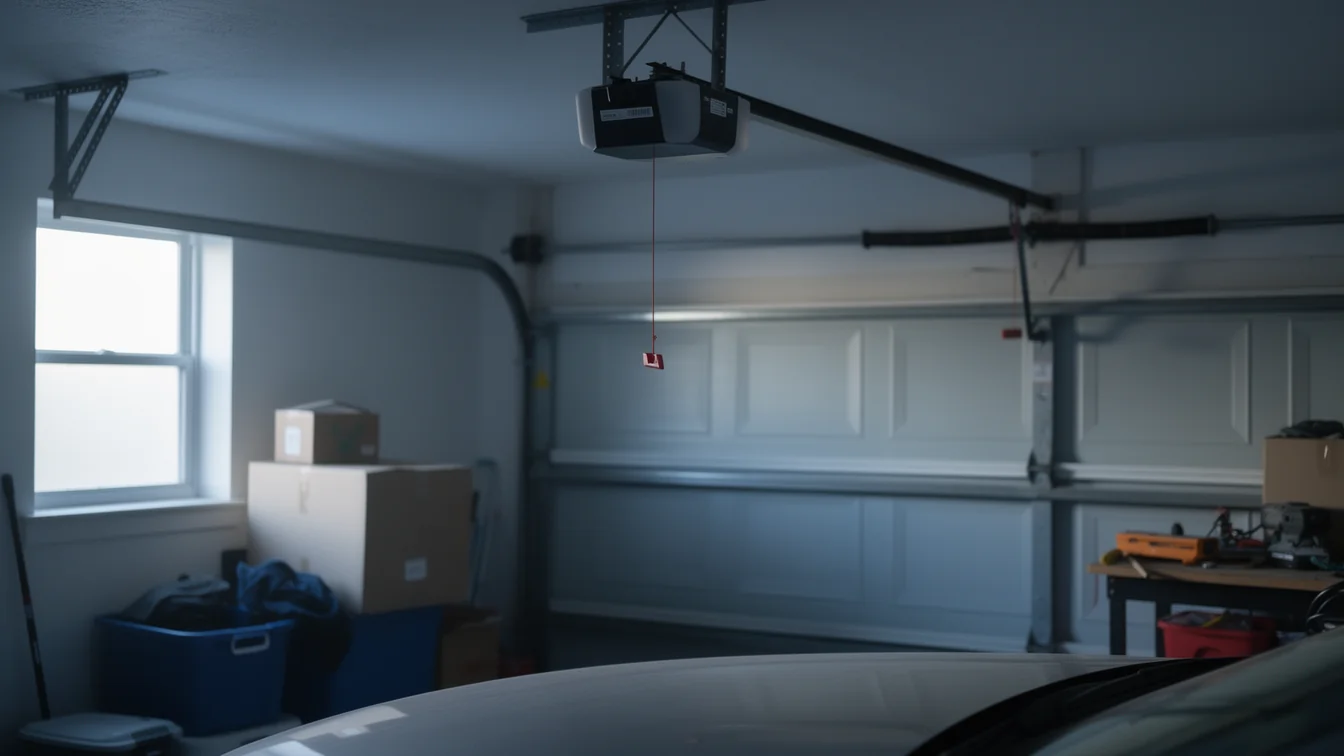
The most common mistake is assuming a noisy door means a bad opener. Nine times out of ten in homes from this era, the opener is fine - it's the spring or the rollers doing the complaining, and the opener motor is just the thing working hardest to cover for them. The second mistake is spraying anything and everything on the track thinking it's lubrication; most of what people grab, from household oil to dry graphite, either attracts grit or does nothing for a torsion spring, which needs lube on the coils, not the track. The third is trying to adjust spring tension yourself. A torsion spring under load on a standard residential door carries enough stored energy to break bones, and that doesn't change whether the house was built in 1950 or 1998. One honest limitation here: if a door is old enough that its springs and drums are an obsolete size no longer stocked - which does happen on some of the 1949-1960s era builds in this area - full replacement is usually cheaper and faster than hunting down discontinued parts, and that's the call we'll make with you rather than stretch a repair that won't hold.
Talk to a local pro
Garage door trouble in Hagerstown?
Same-day service with honest, upfront quotes.