What the Weather Here Does to It
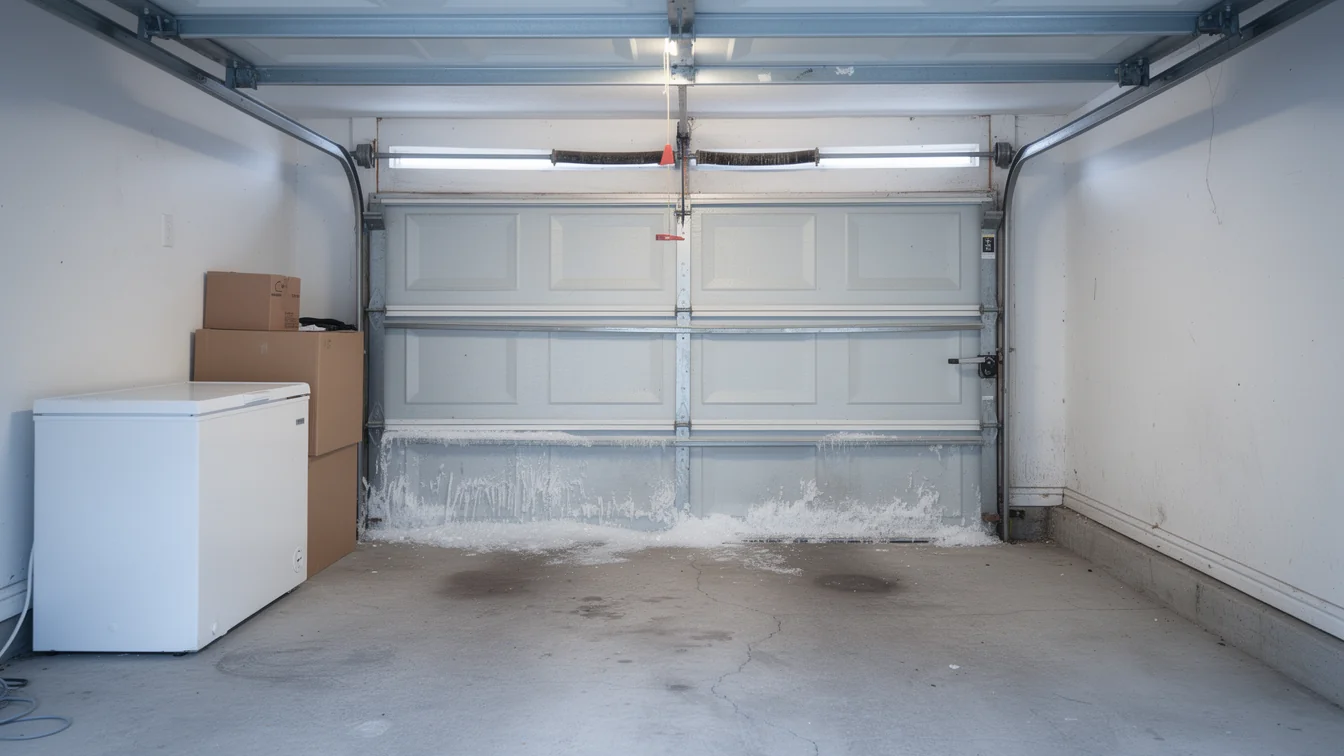
Hagerstown sits in a severe cold climate band, and that matters more to a garage door than most owners realize. Steel panels contract hard in a deep freeze, and the seams around old weatherstripping open up just enough to let wind through. On a door installed anywhere near the median build year of 1985, the torsion spring has usually seen three or four decades of that cycle - expand in summer, contract in winter, over and over. Springs don't fail gently. They fail on the coldest morning of the year, because cold steel is brittle steel, and that's exactly when a spring under tension is most likely to let go. If your door groans, shudders, or hesitates on a frigid start, that's not quirky behavior - it's a spring telling you it's near the end of its rated cycles. Rollers suffer the same way. Nylon rollers from the 1980s and 90s don't flex well once the temperature drops, and a roller that's gone stiff rides rough in the track, which chews at both the roller and the track edge. None of this is unique to one brand of door. It's what cold does to old hardware, year after year, in a place that gets genuinely hard winters rather than mild ones.
The Situation
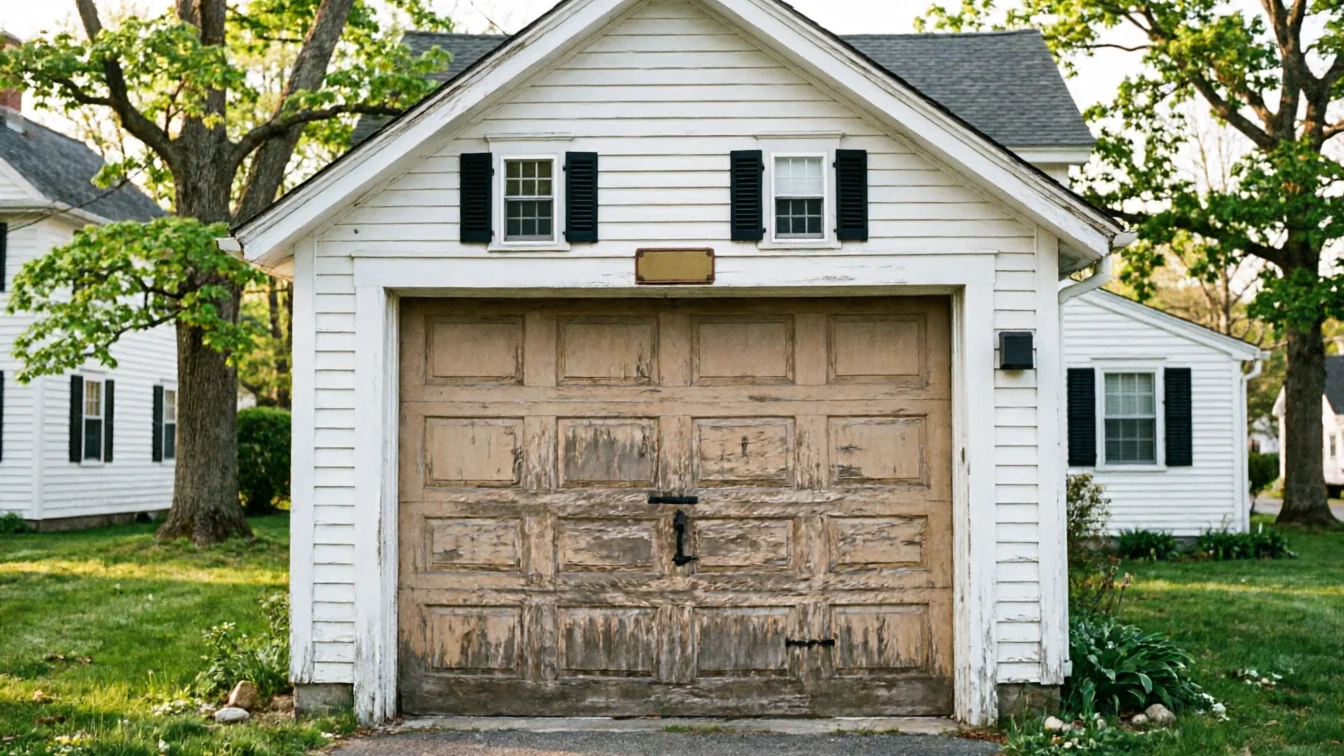
The housing stock around Hagerstown runs mostly 1949 to 1998, with the bulk of it dating to the 1980s and 90s, spread across roughly twenty named areas from Funkstown and Halfway a couple miles out to Boonsboro and Brownsville further afield. That consistency matters for garage doors specifically, because it means a huge share of the doors in this area were installed during the same narrow hardware era - steel sectional doors on extension or early torsion systems, openers with chain drives and limit switches that nobody services as a standalone part anymore. When a door from that era breaks, you're rarely looking at a simple swap. You're looking at a system where the opener, the springs, and sometimes the track were all sized and installed together as a matched set, and replacing just one piece can mean fighting compatibility with the other two. That's the real situation homeowners here run into: not one bad part, but one aging system that's been quietly degrading together for thirty-plus years.
Leaving It Alone
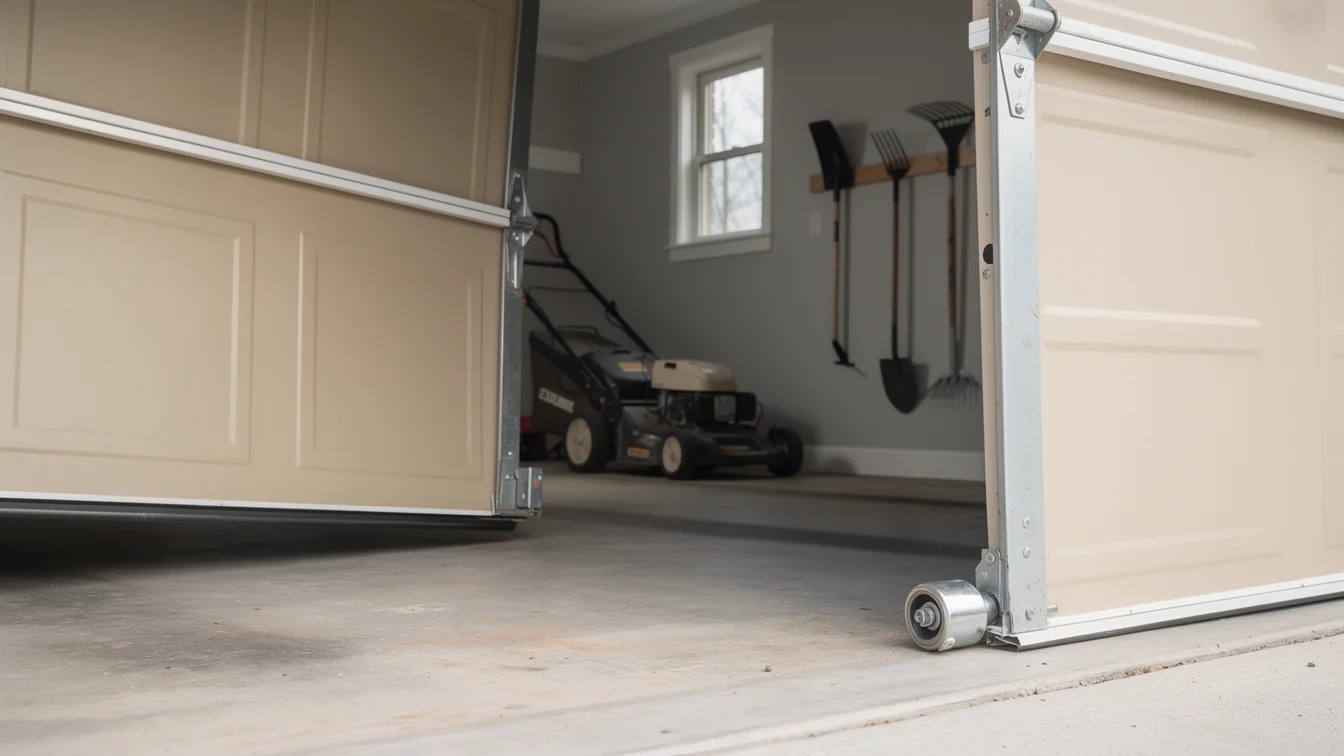
A door that's merely loud or a little stiff can run for years that way - that part's true anywhere. But on hardware this old, in a climate that puts real stress on steel every winter, the gap between "annoying" and "dangerous" is shorter than people expect. A spring that's lost tension doesn't just make the opener strain; it lets the door drop unevenly, which twists the track and stresses the opener's drive gear until that fails too. We've seen the sequence often enough to know it isn't random: ignored spring, bent track, stripped gear, in that order, usually within a season or two once it starts. The honest version of this is that waiting doesn't save money on hardware this age - it usually turns a $200 spring job into a track, opener, and spring job. If the door is already from that 1980s-90s wave of construction, the clock on the rest of the system is running whether you touch it or not.
What Most People Get Wrong
The most common mistake is treating the door and the opener as one unit, when they're really two different clocks ticking at different speeds. An opener motor can still run strong on a door whose springs or track are long past their life, which tricks people into thinking everything's fine right up until it isn't. The other mistake is assuming a repair always makes sense because the door "still works." On hardware from the 1949-1998 era, once a panel is dented or rusted through and the springs are original, you're often paying to patch a system that's going to need the next part fixed within a year anyway. We won't tell you to replace a door that's got real life left in it just because it's old - plenty of 1980s steel doors are structurally sound and just need a spring and roller service. But we also won't spend your money chasing a repair on a door where the honest fix is a new one. That's a call we make case by case, not off the calendar year alone.
Talk to a local pro
Garage door trouble in Hagerstown?
Same-day service with honest, upfront quotes.